
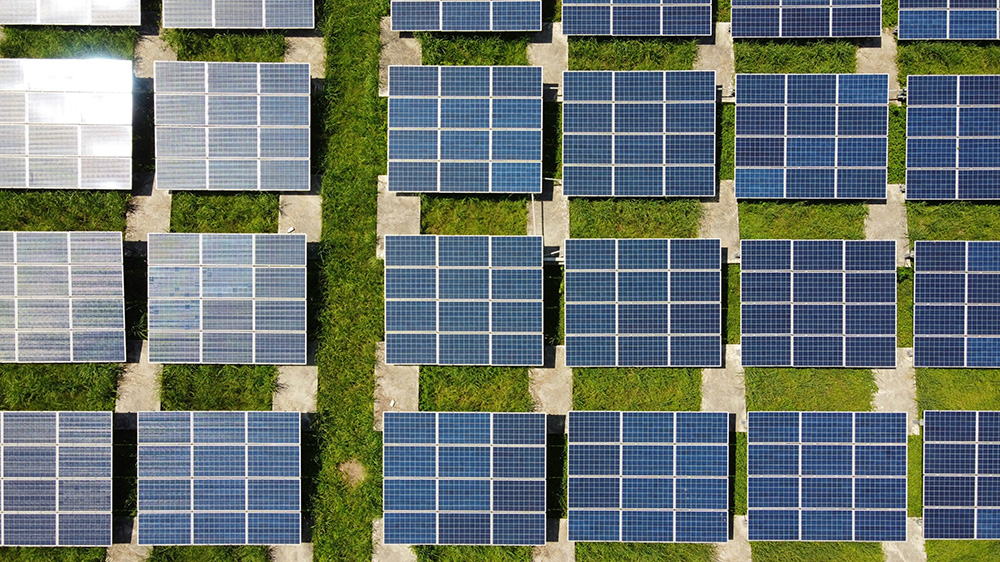
The way the world produces and uses energy is changing fast, and for good reason. Fossil fuels have powered economic growth for more than a century, but they come with a heavy cost to the planet, to public health, and to long term stability. Renewable energy offers a cleaner, smarter, and more resilient path forward. As climate pressures rise and global demand for power continues to grow, shifting to renewable sources is no longer optional. It is essential.
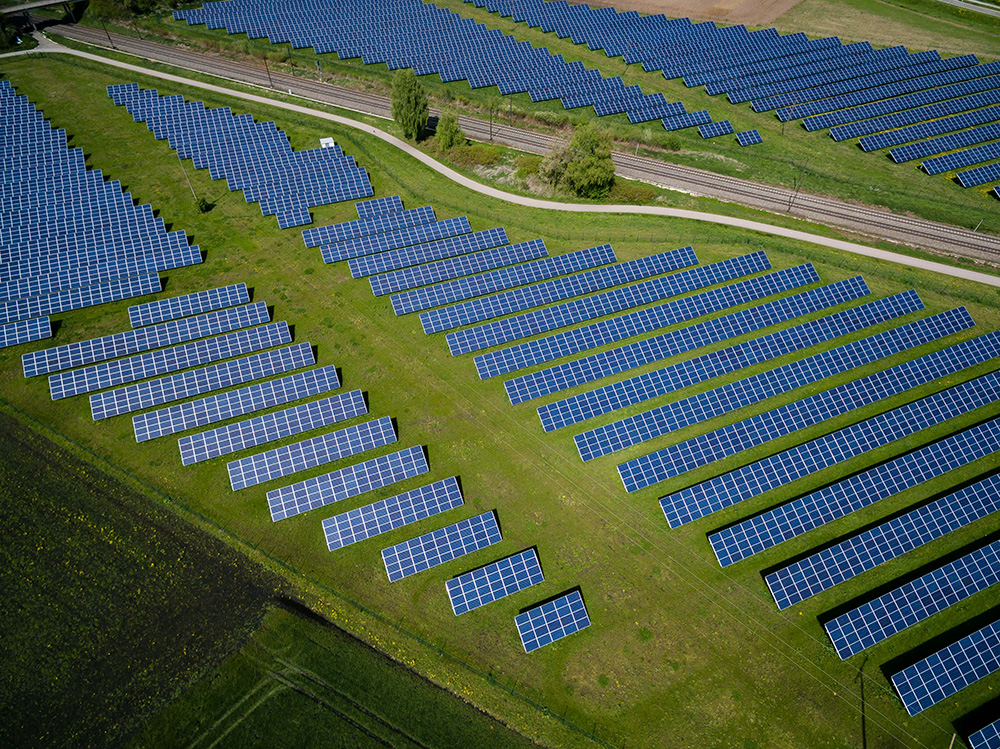
One of the most important reasons renewable energy matters is its impact on climate change. Burning coal, oil, and gas releases large amounts of greenhouse gases into the atmosphere. These gases trap heat and drive global warming, which leads to rising sea levels, extreme weather events, droughts, and ecosystem collapse. Renewable energy sources such as solar, wind, hydro, and geothermal generate power with little to no emissions. By replacing fossil fuels with clean energy, we can significantly reduce carbon output and slow the pace of climate change.
Renewable energy is also vital for protecting human health. Air pollution from fossil fuel power plants contributes to respiratory diseases, heart conditions, and premature deaths worldwide. Communities located near coal plants or busy industrial zones often suffer the most. Clean energy technologies do not release toxic pollutants into the air or water, which means fewer health risks and lower healthcare costs over time. A transition to renewables is not only an environmental decision but also a public health investment.
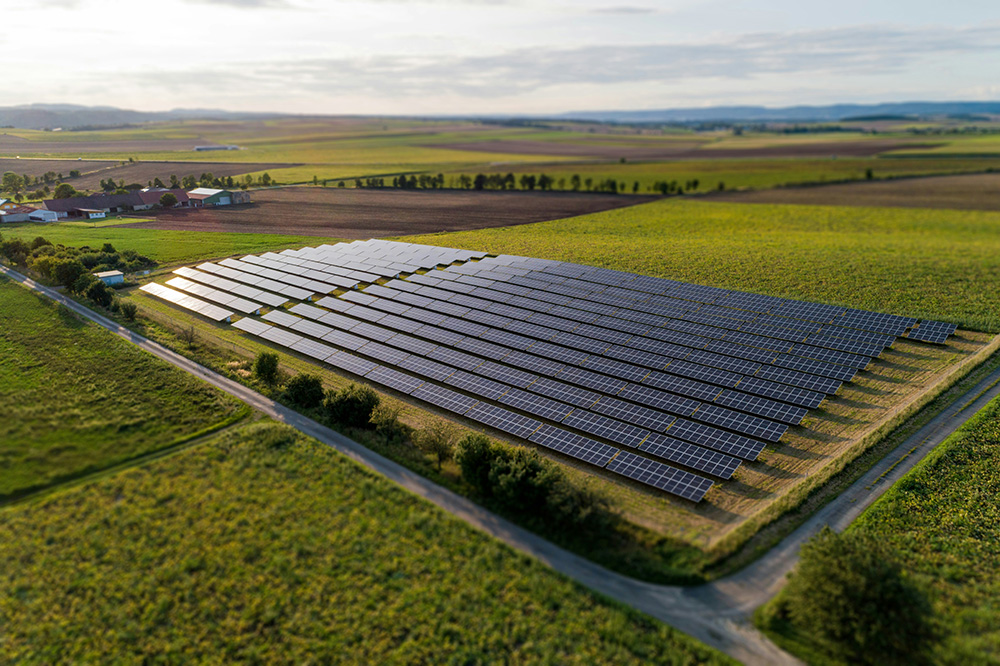
Energy security is another major advantage. Fossil fuels are finite resources, often concentrated in specific regions of the world. This creates dependence on imports, exposure to volatile prices, and vulnerability to geopolitical tensions. Renewable energy, on the other hand, is locally available in most parts of the world. Sun, wind, and water are abundant and free once infrastructure is in place. Countries that invest in renewables can produce more of their own power, reduce reliance on foreign energy sources, and gain greater control over their energy future.
From an economic perspective, renewable energy is a powerful driver of growth and innovation. The clean energy sector creates jobs across manufacturing, installation, maintenance, engineering, and research. These jobs are often local and cannot be outsourced easily. As technology improves and scales, the cost of renewable power continues to fall. In many regions, solar and wind are already cheaper than new fossil fuel plants. A forward thinking renewable energy company not only helps reduce emissions but also supports long term economic resilience.
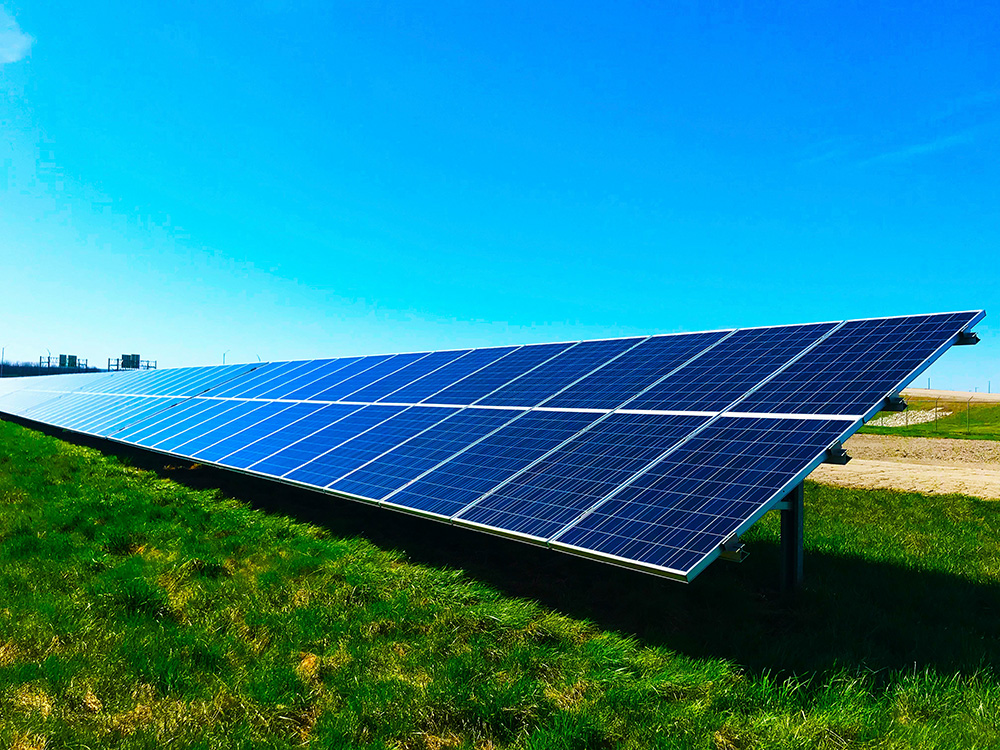
Renewable energy also plays a key role in building a more reliable and flexible energy system. Traditional power grids are centralized and can be vulnerable to failures, natural disasters, or supply disruptions. Renewable systems can be decentralised, with rooftop solar, battery storage, and microgrids supporting local communities. This improves grid resilience and ensures that power can still be available during outages or emergencies. As energy storage technology advances, renewables will become even more dependable and capable of meeting demand around the clock.
Another important factor is sustainability for future generations. Fossil fuel extraction often damages landscapes, pollutes water sources, and destroys habitats. These impacts can last for decades. Renewable energy systems generally have a much smaller environmental footprint, especially when managed responsibly. Investing in clean energy today helps preserve natural resources and biodiversity so that future generations can thrive.
Finally, renewable energy represents progress and responsibility. It aligns technological advancement with environmental stewardship. Individuals, businesses, and governments all have a role to play in accelerating this transition. Whether through policy support, private investment, or choosing to work with a trusted renewable energy company, every action contributes to a cleaner and more sustainable future. In the end, renewable energy is not just about producing electricity differently. It is about rethinking how we live, grow, and care for the planet. By embracing renewables now, we create a future that is healthier, more stable, and more equitable for everyone.