A solar panel system is not something you install and then forget about forever. It can keep working for many years, but it still needs a bit of attention from time to time. Dust, loose wiring, shaded panels, inverter faults, and weather damage can all reduce performance before the problem becomes obvious.
The good news is that most warning signs are easy to notice if you know what to look for. You do not have to climb onto the roof or open electrical equipment. In many cases, a simple check of your power output, inverter screen, and panel condition is enough to tell you when it is time to call a professional.
Your Energy Output Has Dropped
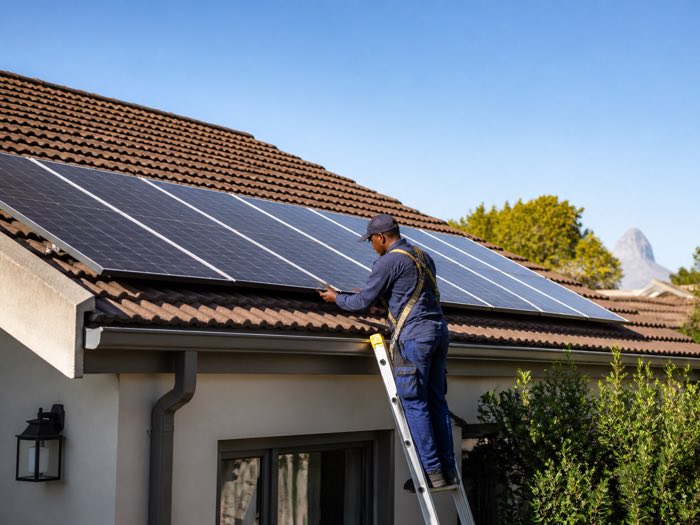
One of the first signs of a maintenance problem is a drop in solar production. If your system normally covers a good part of your daytime electricity use and suddenly starts producing less, something may be wrong.
This does not mean every lower day is a problem. Cloudy weather, winter sun, and heavy rain can all reduce output. What matters is the pattern. If the system is underperforming on clear days, or your electricity bill starts rising without a clear reason, it is worth checking.
A clean monitoring app or inverter reading can help you spot this early. Compare the current output with what you usually see at the same time of year. If the difference is large and does not improve, the panels may need cleaning, testing, or a closer inspection.
The Inverter Is Showing A Warning
The inverter is one of the most important parts of the solar system. It converts the power from the panels into electricity your home can use. When the inverter is not working properly, the panels may still be in good condition, but the system will not perform as it should.
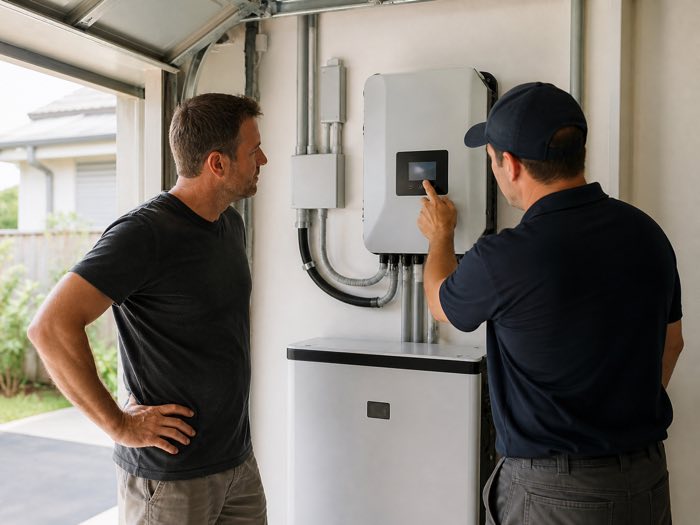
Look for warning lights, error messages, repeated restarts, or a blank screen. Some systems also send alerts through an app. These warnings should not be ignored, even if the lights in the house are still working.
It is best not to open the inverter or battery cabinet yourself. These parts carry electrical risk and should be checked by someone who understands solar equipment. A trained technician can test the connections, settings, breakers, and battery communication without putting the system at risk.
The Panels Look Dirty Or Shaded
Solar panels need sunlight to work well. A light layer of dust may not stop them completely, but enough dirt can reduce the amount of power they produce. Bird droppings, leaves, ash, and building dust can also block sections of a panel.
If you can see the panels safely from the ground, check whether they look dull, patchy, or covered in debris. Also look for new shade from trees, nearby buildings, aerials, or roof fixtures. Shade that was not a problem when the system was installed can become an issue later.
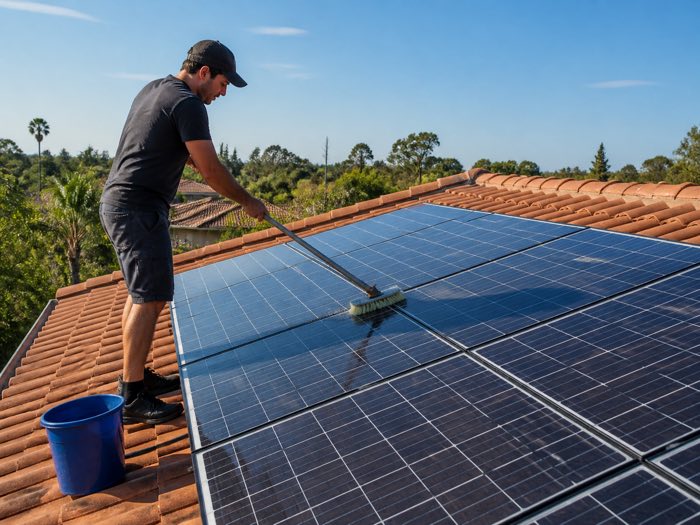
Cleaning should be gentle. Harsh chemicals, abrasive brushes, and pressure washers can damage the panel surface or seals. If the panels are difficult to reach, it is safer to book a proper solar panel cleaning service than to risk climbing onto the roof.
You Notice Damage After Bad Weather
Heavy wind, hail, storms, and extreme heat can affect a solar installation. The damage is not always dramatic. Sometimes it is a cracked panel edge, a loose mounting bracket, exposed cable, or water getting into a connector.
After strong weather, take a look from a safe place. Check whether the panels still sit evenly, whether anything appears loose, and whether there are visible marks on the glass. If your system starts producing less after a storm, that is another reason to arrange an inspection.
Small problems are easier to fix early. Leaving a loose fitting or damaged cable can lead to bigger faults later, especially when rain and heat keep working on the same weak spot.
Your System Has Not Been Checked In A Long Time
Even when everything seems fine, a periodic maintenance check is useful. Solar systems are exposed to sun, wind, dust, and changing roof conditions every day. Over time, screws can loosen, cables can wear, and inverter settings may need attention.
For many homes, an annual inspection is a sensible routine. It gives you peace of mind and helps keep the system producing as much power as possible. It can also help protect warranties, because some manufacturers and installers expect the system to be looked after properly.
A good maintenance check should include the panels, inverter, cabling, mounting structure, breakers, batteries if installed, and performance readings. This gives a clearer picture than only looking at the panels from the outside.
Final Thoughts
Solar panels are built to last, but they still work best when they are cared for. If your output drops, the inverter shows a warning, the panels look dirty, or the system has not been checked for a while, it is better to deal with it sooner rather than later.
Regular maintenance does not have to be complicated. A few simple checks and the right professional help can keep your solar panel system running safely, efficiently, and for as long as possible.